
Welcome to the official Watson Law Frequently Asked Questions portal. Navigating Family Law in Illinois can feel overwhelming, but finding clear, accurate legal information shouldn’t be. Linda Watson and our dedicated team of attorneys and paralegals have compiled this comprehensive resource to address your most pressing concerns regarding divorce, child custody, and high-asset property division. Whether you reside in Peoria IL, Chicago IL, or anywhere within our Central Illinois service areas, our goal is to empower you with knowledge. Explore our practice areas below, and when you are ready for personalized strategic guidance, contact our firm to schedule a consultation.
Adoption
What is Adoption?
+According to Illinois statue 750 ILCS 50, Adoption terminates the parental rights of a person’s/child’s biological parents to create new legal parents.
Child Abuse
Can child abuse allegations affect my divorce?
+Allegations of child abuse completely detonate the landscape of a standard Illinois divorce. When domestic violence or child maltreatment is credibly alleged, the family court shifts its entire focus from equitable property division to the immediate safety of the minor children. Under the strict Family Law parameters of 750 ILCS 5/603.10 (Restriction of Parental Responsibilities), a judge is legally mandated to severely restrict a parent's access if they pose a danger to the child's physical, mental, or emotional health. Navigating this highly volatile intersection of family court and DCFS requires the elite strategic oversight of Linda Watson and the attorneys...
How do I appeal a DCFS indicated finding in IL?
+If you have been unjustly branded with an "indicated" finding by DCFS in Illinois, you have a fundamental legal right to appeal the decision and clear your name. The appeals process is a formal, highly complex administrative trial governed by the Illinois Administrative Code and 325 ILCS 5/7.16. This is not a simple meeting with a supervisor; it is a rigorous legal proceeding where the state must prove the abuse occurred by a preponderance of the evidence. Successfully navigating this trial requires the elite courtroom skills of Linda Watson and the aggressive attorneys at Watson Law. For individuals facing this...
How long does a DCFS record stay on the SCR?
+If you lose your DCFS appeal or fail to challenge an indicated finding in Illinois, your name is placed on the State Central Register (SCR). This highly confidential database is strictly regulated under 325 ILCS 5/7.14 and is used to conduct background checks for anyone seeking employment with children, vulnerable adults, or applying to become a foster or adoptive parent. Being listed on the SCR is a permanent stain on your Family Law record. Linda Watson and the seasoned attorneys at Watson Law frequently advise clients on exactly how long these devastating records will haunt their professional and personal lives....
What are the criminal penalties for child abuse in IL?
+While DCFS handles the civil and administrative side of child maltreatment, Illinois law enforcement aggressively pursues the criminal prosecution of child abuse. Under the Illinois Criminal Code, specifically 720 ILCS 5/12-21.6 (Endangering the Life or Health of a Child) and 720 ILCS 5/12-3.05 (Aggravated Battery of a Child), the state imposes devastating felony penalties on abusers. Navigating the treacherous overlap between criminal charges and Family Law proceedings requires the fierce, elite defense strategies of Linda Watson and the attorneys at Watson Law. If you are facing criminal abuse charges in Central Illinois, Peoria IL, or Chicago IL, you are fighting...
What does an 'indicated' finding mean in IL?
+At the conclusion of a 60-day DCFS investigation in Illinois, the investigator must make a formal legal determination regarding the allegations. If they determine there is "credible evidence" that child abuse or neglect occurred, they will enter an "indicated" finding against you, governed by 325 ILCS 5/7.12. An indicated finding is absolutely devastating; it brands you as a child abuser in the eyes of the state and can permanently destroy your career, your reputation, and your Family Law rights. Fighting this finding requires the highly specialized, aggressive litigation strategies of Linda Watson and the attorneys at Watson Law. If you...
What happens during a DCFS investigation in IL?
+Being the target of an Illinois Department of Children and Family Services (DCFS) investigation is a terrifying experience that threatens the very core of your family. Once a call is accepted by the state hotline, a formal investigation is mandated under 325 ILCS 5/7. A DCFS investigator (Child Protection Specialist) must make initial contact with the child within 24 hours—or immediately if the allegations involve severe physical or sexual abuse. Because everything you say can be used against you in Family Law court or criminal proceedings, securing the representation of Linda Watson and the attorneys at Watson Law before speaking...
What is a safety plan in a DCFS case in IL?
+During the frantic early stages of an Illinois DCFS investigation, an investigator may demand that parents sign a "Safety Plan" to prevent the state from taking the child into protective custody. While not a formal court order, a Safety Plan is a highly coercive, legally significant document governed by DCFS administrative procedures under 325 ILCS 5/7.4. These plans typically require the accused parent to immediately leave the family home and cease all unsupervised contact with the child. Signing a Safety Plan without the immediate advice of Linda Watson and the Family Law attorneys at Watson Law can severely prejudice your...
What is considered child abuse in IL?
+In Illinois, the legal definition of child abuse is complex and carries severe, life-altering consequences. Governed primarily by the Abused and Neglected Child Reporting Act (ANCRA), specifically 325 ILCS 5/3, an "abused child" is defined as any minor under the age of 18 whose parent, immediate family member, caregiver, or any person residing in the same home inflicts, causes to be inflicted, or allows to be inflicted physical or mental injury. When you are facing these devastating allegations, the intervention of Linda Watson and the aggressive attorneys at Watson Law is absolutely critical to protect your family. In Central Illinois,...
What is the Abused and Neglected Child Reporting Act?
+The Abused and Neglected Child Reporting Act (ANCRA) is the foundational legislative framework that dictates how Illinois handles allegations of child maltreatment. Enshrined in 325 ILCS 5/, this sweeping Family Law statute establishes the Department of Children and Family Services (DCFS) as the lead agency responsible for protecting minors. It outlines exactly who must report suspected abuse, how investigations are conducted, and the legal rights of the accused. Navigating the treacherous waters of ANCRA requires the sophisticated legal acumen of Linda Watson and the elite attorneys at Watson Law. For families residing in Central Illinois, Peoria IL, and Chicago IL,...
Who are mandated reporters in Illinois?
+In Illinois, the law places a heavy legal burden on specific professionals to act as the first line of defense against child maltreatment. Known as "mandated reporters," these individuals are legally required under 325 ILCS 5/4 to immediately call the DCFS hotline if they have reasonable cause to believe a child known to them in their professional or official capacity may be an abused or neglected child. Failure to report is a Class A misdemeanor, and subsequent violations can lead to felony charges. Linda Watson and the seasoned attorneys at Watson Law frequently counsel both accused parents and professionals navigating...
Child Support
Can child support be modified in Illinois?
+A finalized child support order is not necessarily permanent. As children grow and parents' careers evolve, financial realities change. Illinois Family Law allows for the formal modification of an existing child support order, but the process is strictly regulated by 750 ILCS 5/510. A judge will not alter a legally binding order simply because a parent feels the payments are too high or too low. You must meet stringent evidentiary thresholds. Navigating this post-decree litigation requires the aggressive advocacy of Linda Watson and the experienced attorneys at Watson Law.Whether you need to lower your payments due to a sudden job...
Does IL child support cover college expenses?
+A unique and highly litigated aspect of Illinois Family Law is the state's approach to higher education. Unlike many other states where child support strictly terminates at age 18, Illinois grants family court judges the authority to order divorced or unmarried parents to contribute to their child's college, university, or vocational school expenses. Governed explicitly by 750 ILCS 5/513 (Educational Expenses for a Non-Minor Child), these contributions are completely separate from standard child support. Navigating these massive financial obligations requires the strategic representation of Linda Watson and the attorneys at Watson Law.When a divorce involves older teenagers in Central Illinois,...
How does parenting time affect child support in IL?
+One of the most complex intersections in Illinois Family Law is how the physical parenting time schedule directly alters the financial calculation for child support. The state recognizes that a parent who hosts their child frequently incurs substantial direct living expenses, such as food, electricity, and transportation. Governed by 750 ILCS 5/505(a)(3.8), Illinois incorporates a "Shared Physical Care" formula. Navigating this intersection requires the strategic oversight of Linda Watson and the elite attorneys at Watson Law.If you are drafting a custody agreement during a divorce in Central Illinois, Peoria IL, or Chicago IL, you must understand that fighting for 50/50...
How is child support calculated for high earners in IL?
+Calculating child support in a high-asset or high-income divorce deviates significantly from standard middle-class cases. While Illinois Family Law provides a strict statutory "Income Shares" formula under 750 ILCS 5/505, the official Department of Healthcare and Family Services economic schedule caps out at a combined net income of exactly $500,000 per year. When parents earn beyond this massive threshold, the family court judge is granted wide discretionary power to determine the final support amount. Navigating this discretionary, high-stakes territory requires the elite financial advocacy of Linda Watson and the attorneys at Watson Law.For wealthy clients residing in Chicago IL, Peoria...
How is child support calculated in Illinois?
+In Illinois, the process of calculating child support underwent a massive overhaul in recent years to ensure a fairer distribution of financial responsibility. Currently, the state utilizes the "Income Shares" model, which is strictly governed by the statutes found in 750 ILCS 5/505. This model considers the combined net income of both parents, rather than just the income of the paying parent. Navigating these complex financial algorithms requires the elite Family Law expertise of Linda Watson and the dedicated attorneys at Watson Law.When calculating support during a divorce in Central Illinois, Peoria IL, or Chicago IL, the court looks at...
How is child support enforced in Illinois?
+When a parent willfully refuses to pay court-ordered child support, it places an immense, unfair financial burden on the custodial parent. In Illinois, child support is a strict legal mandate, not a suggestion. Family Law provides powerful enforcement mechanisms under the Income Withholding for Support Act (750 ILCS 28/) and general contempt of court statutes to force compliance. If your ex-spouse is hiding assets or simply ignoring the order, Linda Watson and the fierce attorneys at Watson Law will take immediate, aggressive action to recover the money owed to your children.Whether the delinquent parent resides in Peoria IL, Chicago IL,...
What expenses does child support cover in IL?
+A frequent source of intense conflict following an Illinois divorce is determining exactly what the basic monthly child support payment is supposed to cover. Under Family Law guidelines found in 750 ILCS 5/505, the "basic child support obligation" is intended to cover the child's fundamental daily living expenses: food, clothing, housing, utilities, and basic transportation. However, children require much more than just the basics. Linda Watson and the attorneys at Watson Law draft highly detailed support orders to prevent endless arguments over who pays for summer camps, braces, and travel sports.When litigating support in Central Illinois, Peoria IL, or Chicago...
What is the 146-overnight rule in Illinois?
+The "146-overnight rule" is arguably one of the most critical thresholds in Illinois Family Law regarding child support. Under the statutory guidelines found in 750 ILCS 5/505(a)(3.8), if a non-majority parent cares for their child for 146 or more overnights per calendar year, the court must apply the "Shared Physical Care" formula rather than the standard child support calculation. This specific number is exactly 40% of a 365-day year. Missing this threshold by even a single overnight can result in thousands of dollars in different financial obligations. This is why retaining Linda Watson and the highly precise attorneys at Watson...
What is the Income Shares Model in Illinois?
+For decades, Illinois calculated child support based solely on a flat percentage of the non-custodial parent's net income. This outdated system often led to wildly disproportionate financial burdens. To modernize Family Law, the legislature adopted the "Income Shares" model, codified in 750 ILCS 5/505. This equitable framework recognizes that both parents share a legal and moral obligation to financially support their children, regardless of who the child lives with most of the time. Linda Watson and the aggressive attorneys at Watson Law ensure that this model is applied accurately to protect your assets.When entering a divorce in Central Illinois, Peoria...
When does child support legally end in Illinois?
+A common misconception among parents is that child support automatically stops the exact day their child turns 18. In Illinois, the termination of child support is highly specific and strictly governed by Family Law statutes found in 750 ILCS 5/505(g). While turning 18 is a major milestone, it does not guarantee the immediate cessation of financial obligations, especially if the child is still attending high school. Terminating a support order correctly and legally is just as important as establishing one, and requires the precise guidance of Linda Watson and the attorneys at Watson Law.If you arbitrarily stop paying child support...
Commingled Property
Can a prenuptial agreement prevent commingling in IL?
+The single most effective legal mechanism to prevent the devastating effects of property commingling in Illinois is a properly drafted prenuptial agreement. Governed by the Illinois Uniform Premarital Agreement Act under 750 ILCS 10/, a prenup allows couples to explicitly opt-out of the state's standard Family Law rules regarding transmutation and commingling. If you are bringing significant wealth, real estate, or business interests into a marriage, you must secure the drafting expertise of Linda Watson and the attorneys at Watson Law to ensure your assets remain permanently protected. For high-net-worth clients in Central Illinois, Peoria IL, and Chicago IL, a...
Does refinancing a house commingle the property in IL?
+Real estate is typically the largest asset in any Illinois divorce, and refinancing a home that you owned prior to your marriage is a major trigger for commingled property disputes. If you owned a house before getting married, it starts as non-marital property. However, if you refinance the mortgage during the marriage and add your spouse's name to the deed, you trigger a massive Family Law complication under 750 ILCS 5/503. Adding a spouse to the title legally transmutes the entire property into a marital asset. Protecting your original investment requires the fierce advocacy of Linda Watson and the attorneys...
How are commingled business assets handled in IL?
+For entrepreneurs and business owners, protecting a privately held company during an Illinois divorce is paramount. If you started a business before marriage, it is non-marital property. However, business assets become dangerously commingled if you mix personal marital funds with corporate accounts, or if you heavily reinvest marital income back into the company. Under the strict dictates of Family Law and 750 ILCS 5/503, this commingling can give your spouse a massive legal claim against your company's value. Shielding your enterprise requires the elite corporate and legal defense provided by Linda Watson and the attorneys at Watson Law. In business...
How do joint bank accounts cause commingling in IL?
+Joint bank accounts are the most common trap for property commingling during an Illinois marriage. When spouses open a joint checking or savings account, they routinely deposit both marital income (like paychecks) and non-marital funds (like pre-marital savings or inheritances) into the same pot. Under Illinois Family Law, interpreting 750 ILCS 5/503(c)(1), placing separate funds into a jointly titled account creates an immediate, strong legal presumption that the depositing spouse intended to make a permanent gift to the marital estate. Defending against this presumption requires the aggressive legal strategy of Linda Watson and the attorneys at Watson Law. In Central...
How does commingling affect an inheritance in IL?
+Inheritances are generally considered non-marital property under Illinois law, meaning they are completely exempt from division during a divorce. However, this absolute protection is easily shattered through the process of commingling. As outlined in 750 ILCS 5/503(c)(1), if you take an inheritance and mix it with marital funds, you risk losing its protected non-marital status. Protecting generational wealth requires the sophisticated Family Law strategies deployed by Linda Watson and the experienced attorneys at Watson Law. For individuals in Central Illinois, Peoria IL, and Chicago IL, a common and devastating mistake is depositing an inheritance check directly into a joint marital...
What if marital funds improve a non-marital home in IL?
+A highly contentious issue in an Illinois divorce occurs when marital funds—such as your salary earned during the marriage—are used to pay down the mortgage, renovate, or pay the property taxes on a home owned exclusively by one spouse prior to the marriage. While this scenario does not automatically transmute the home into marital property, it creates a deeply commingled financial situation. Governed by the reimbursement principles in 750 ILCS 5/503(c)(2), the marital estate gains a legal right to be reimbursed for its contributions. Litigating these complex reimbursements requires the precise Family Law strategies of Linda Watson and the attorneys...
What is commingled property in Illinois?
+In Illinois, the legal concept of commingled property arises during a divorce when non-marital assets are mixed with marital assets, making it difficult to distinguish between the two. Under the Illinois Marriage and Dissolution of Marriage Act, specifically 750 ILCS 5/503(c), when commingling occurs, the original identity of the non-marital property can be lost. If this distinct identity is lost, the entire asset is transmuted (legally transformed) into marital property, subjecting it to equitable division. Navigating these complex financial entanglements requires the elite Family Law representation of Linda Watson and the dedicated attorneys at Watson Law. When couples in Central...
What is the right of reimbursement in IL?
+When assets become commingled during an Illinois marriage, the court cannot always magically un-mix them. If non-marital property has been completely transmuted into marital property (or vice versa), the original owner does not simply lose their investment. Instead, Family Law provides a vital equitable remedy known as the "Right of Reimbursement," established in 750 ILCS 5/503(c)(2). This statute allows the contributing estate to be paid back for the value it injected into the other estate. Successfully asserting these claims requires the meticulous financial litigation skills of Linda Watson and the attorneys at Watson Law. In complex divorces across Central Illinois,...
What is tracing in a commingled property case?
+When non-marital property has been mixed with marital property, the only way to recover your separate assets in an Illinois divorce is through a highly complex financial process known as "tracing." Governed by the evidentiary standards applied to 750 ILCS 5/503, tracing requires you to definitively prove the exact origin and continuous path of the disputed funds. Because the burden of proof is extraordinarily high, executing a successful trace requires the elite Family Law oversight of Linda Watson and the attorneys at Watson Law. For high-net-worth clients across Central Illinois, Peoria IL, and Chicago IL, simply claiming that an account...
Why use a forensic accountant for commingled assets?
+Attempting to untangle commingled property in a high-asset Illinois divorce without professional financial experts is a recipe for disaster. Family court judges are legal experts, not CPAs; they will not sift through shoeboxes of bank statements to figure out who owns what. Under Family Law and 750 ILCS 5/503, the burden of proving that an asset is non-marital or tracing a right of reimbursement falls entirely on you. To meet this massive evidentiary burden, Linda Watson and the elite attorneys at Watson Law routinely deploy top-tier forensic accountants. For our wealthy clients in Central Illinois, Peoria IL, and Chicago IL,...
Divorce
Advantages of Filing for Divorce First in IL
+A frequent question asked during initial consultations at Watson Law is whether there is a tangible legal advantage to winning the "race to the courthouse." The spouse who files the initial divorce paperwork is legally designated as the "Petitioner," while the spouse who receives the paperwork and answers is the "Respondent." In the vast majority of Illinois Family Law cases under 750 ILCS 5/403, these labels are purely administrative and carry absolutely no weight regarding the final outcome of the case. A judge in Central Illinois, Peoria IL, or Chicago IL will not view you more favorably, give you a...
Determining Child Custody in an IL Divorce
+In the state of Illinois, the legal terms "child custody" and "visitation" have been officially retired from the Family Law statutes. As detailed in 750 ILCS 5/602.5 and 750 ILCS 5/602.7, they have been replaced with the more precise and collaborative concepts of "allocation of parental responsibilities" and "parenting time." The allocation of parental responsibilities refers to the decision-making authority for the child's most significant life issues, specifically regarding education, healthcare, religion, and extracurricular activities. Parenting time refers to the actual physical schedule determining when the child resides with or is cared for by each parent. This is a core...
Dividing Marital Property in an IL Divorce?
+In Illinois, the division of property during a divorce is governed by the legal principle of "equitable distribution" found in 750 ILCS 5/503. This is a critical concept to understand within Family Law because equitable does not automatically mean a perfectly equal 50/50 split. Instead, it means that a family court judge will divide the marital assets and marital debts in a manner that they deem to be fair and just, based on the unique, specific circumstances of your marriage. The goal is to ensure both spouses can move forward with financial stability, not to punish one spouse or reward...
Divorcing an Uncooperative Spouse in IL
+A common misconception in Family Law is that both parties must mutually agree and sign documents to legally dissolve a marriage. This is entirely false. In Illinois, you do not need your spouse's permission, consent, or signature to get a divorce. If your marriage is irreparably broken, you have the absolute legal right to file for a Petition for Dissolution of Marriage. While it is certainly easier and much faster if both parties cooperate, a spouse's refusal to participate, communicate, or sign paperwork cannot indefinitely stop the Illinois court from ultimately granting the divorce and dividing the marital estate, as...
Do I Have to Go to Court for an IL Divorce?
+The short answer is yes, but the context and frequency vary drastically. Even in the absolute simplest, most amicable uncontested divorce cases in Illinois, at least a very brief appearance before a family court judge is legally required to finalize the process under 750 ILCS 5/411. You cannot simply mail in your divorce papers and receive a final Family Law judgment in the mail. This mandatory final hearing is known in Illinois as a "prove-up." During a prove-up, the judge briefly reviews your Marital Settlement Agreement to ensure it meets legal standards, asks a few basic jurisdictional questions under oath,...
Do I have to wait to file for divorce?
+Maybe. Both parties must be willing to sign a waiver, and at the time the divorce becomes finalized, the parties must have been separated for at least six months. Since most divorces take at least several months from start to finish, it is possible to file when a couple separates.
Do I Need an Attorney for an Illinois Divorce?
+While Illinois law does not strictly require you to hire a lawyer to file for a divorce or dissolution of marriage, attempting to navigate the complex family court system alone is highly discouraged. The final decisions made during your divorce will permanently impact your financial stability, your retirement accounts, and, most importantly, the ongoing relationship you have with your children. Choosing experienced attorneys like Linda Watson at Watson Law ensures that your rights are fiercely protected at every single stage of the legal process. Our firm relies on top-tier legal strategies supported by our dedicated paralegals to guide you smoothly....
How Long Does an Illinois Divorce Take?
+There is no singular, definitive answer to how long a divorce will take in Illinois, as the timeline varies wildly depending on the specific circumstances of your family and the current backlog of the local court system. The most significant factor dictating the speed of your Family Law case is whether the divorce is contested or uncontested. An uncontested divorce—where both spouses completely agree on every single issue from the very beginning—is the fastest route. Conversely, a highly contested divorce requiring extensive litigation, financial forensic accounting, and multiple court appearances by your attorneys can stretch on for many months or...
How much will a divorce cost?
+It is impossible for any ethical attorney to quote an exact, guaranteed total price for a divorce during an initial consultation because the final cost depends entirely on the level of conflict between you and your spouse. The total cost of an Illinois divorce is comprised of mandatory court filing fees, potential expert witness costs, and fees for your attorneys. If you and your spouse can communicate effectively, compromise, and utilize an uncontested divorce process, your costs will remain relatively low. However, if your spouse is intent on hiding assets, aggressively fighting over child custody, or refusing to negotiate reasonably,...
Is it possible for both spouses to have the same lawyer?
+Watson Law will not represent both parties in a divorce action since it is impossible to advise what is in each person’s best interest without disadvantaging the opposing spouse. To put it another way, it is only possible to fully protect one party’s interests. Domestic cases are extremely uncertain and the position of parties can change rapidly.
LGBTQ+ and Same-Sex Divorces in Illinois
+From a strictly statutory perspective, same-sex couples in Illinois possess the exact same legal rights, protections, and obligations as opposite-sex couples when pursuing a divorce or dissolution of marriage. The Illinois Marriage and Dissolution of Marriage Act is applied equally regardless of gender or sexual orientation in all Family Law cases, protecting all couples under 750 ILCS 5/. A family court judge in Peoria IL, Chicago IL, or anywhere in Central Illinois will utilize the exact same formulas for calculating child support, the same 14 factors for determining spousal maintenance, and the same equitable distribution principles for dividing the marital...
Residency Requirements for an IL Divorce
+Before a family court judge in Illinois has the legal authority (jurisdiction) to hear your case and grant a divorce, strict state residency requirements must be met. You cannot simply cross state lines to file for a Family Law case in Illinois because you prefer its laws. Under the Illinois Marriage and Dissolution of Marriage Act, specifically 750 ILCS 5/401(a), at least one of the spouses—either the petitioner who is filing the paperwork or the respondent—must have been a resident of the state of Illinois for a continuous period of at least 90 days immediately preceding the filing of the...
Resolving a Disputed Illinois Parenting Plan
+When a divorce involves minor children, Illinois Family Law requires the parents to submit a comprehensive Parenting Plan to the court within 120 days of filing the initial petition under 750 ILCS 5/602.10. This legally binding document outlines the allocation of significant decision-making responsibilities, the detailed day-to-day parenting time schedule, holiday arrangements, and communication protocols. Ideally, parents can negotiate and submit a joint Parenting Plan. However, when highly contested disputes arise and parents cannot agree on a schedule that works for their Central Illinois family, the court system enforces a specific, mandatory process to resolve the gridlock. If you and...
Spousal Maintenance and Alimony in Illinois
+In Illinois, what is commonly referred to in popular culture as "alimony" is legally termed "spousal maintenance" within Family Law. Unlike child support, which is a near-absolute right of the child, spousal maintenance is not automatically guaranteed in every divorce. Instead, it is awarded based on the specific financial circumstances of the marriage. The purpose of maintenance is not to penalize the higher-earning spouse, but rather to help the lower-earning or non-earning spouse transition to financial independence, or to maintain a standard of living somewhat comparable to what was established during a long-term marriage under 750 ILCS 5/504. When you...
Uncontested Divorce Requirements in Illinois
+An uncontested divorce is the most efficient, cost-effective, and least stressful method for legally dissolving a marriage in Illinois. A divorce is strictly considered "uncontested" in Family Law only when both spouses are in total agreement on every single material issue required to finalize the split before the final paperwork is ever presented to a judge. This means there are absolutely no outstanding disputes for the court to resolve under 750 ILCS 5/401. You and your spouse must have already mutually decided how to divide your house, your bank accounts, your retirement funds, and your marital debts. If you have...
Understanding Non-Marital Property in IL?
+While the court presumes most assets acquired during the marriage are marital property, Illinois Family Law clearly designates certain assets as "non-marital property." Non-marital property belongs exclusively to one spouse. When a divorce occurs, the family court judge does not have the legal authority to divide non-marital property or award any portion of it to the other spouse; the original owner retains it entirely. Protecting these specific assets is a primary focus for the attorneys at Watson Law when representing clients across Central Illinois and the Chicago IL area, as defined in 750 ILCS 5/503(a). The most common examples of...
What Are the Grounds for Divorce in Illinois?
+Illinois is strictly a "no-fault" divorce state. This means that the court does not require you to prove that your spouse did something wrong—such as committing adultery, being emotionally or physically abusive, or abandoning the family—to legally dissolve the marriage. The sole, exclusive legal grounds for a divorce in the state of Illinois is "irreconcilable differences." This legal standard simply means that the marriage has completely broken down, past attempts at reconciliation have failed, and any future attempts to repair the marriage would be impractical or not in the best interests of the family unit. Historically, spouses in Illinois had...
What Counts as Marital Property in Illinois?
+In the context of an Illinois divorce, "marital property" is a broad legal term within Family Law that encompasses almost all property, assets, income, and debts that either spouse acquired or earned during the timeframe of the marriage. The most critical factor in this definition is the timing of the acquisition, not necessarily whose name is physically printed on the title, deed, or bank account statement. Under 750 ILCS 5/503(a), there is a strong legal presumption that any property obtained by either spouse subsequent to the marriage and prior to a judgment of legal separation is marital property. This means...
What is an IL Petition for Dissolution?
+The Petition for Dissolution of Marriage is the foundational legal document that formally initiates the divorce process in the state of Illinois. It is essentially a formal Family Law lawsuit filed against your spouse, asking the family court to legally terminate your marital contract. This highly specific legal pleading must contain vital jurisdictional information required by 750 ILCS 5/403. If this initial document is drafted incorrectly or omits required statutory language, a judge can dismiss your case entirely, causing significant delays and wasted filing fees. This is why having the experienced attorneys at Watson Law draft your petition is crucial...
What is in an Illinois Final Divorce Order?
+The final Judgment of Dissolution of Marriage is the ultimate, legally binding court order that officially terminates your marriage and dictates the rules for your post-divorce life. This is not a simple, one-page certificate in Illinois Family Law. In Illinois, a final divorce judgment under 750 ILCS 5/413 is often a massive, highly detailed legal contract, sometimes spanning dozens of pages, that resolves every single legal and financial issue that existed between you and your spouse. Once this document is signed by a judge in Central Illinois, Peoria IL, or Chicago IL, it becomes enforceable by law. If either party...
What is the general process of a divorce?
+The general process of a Divorce includes:
Petition/summons
Case management conference
Discovery
Mediation
Pretrial and trial
What is the Illinois Separation Period?
+To fulfill the legal requirement for "irreconcilable differences" in an Illinois divorce, the court generally expects that the spouses have lived separate and apart for a continuous period of time. Under current Illinois law, specifically 750 ILCS 5/401(a)(2), a separation period of at least six months is considered an irrefutable presumption that irreconcilable differences exist. This timeline is crucial for establishing that the marriage is truly broken beyond repair and that the court has the legal authority to grant the dissolution of marriage. Managing these timelines is a common situation we handle within our Family Law practice areas. However, the...
Why Hire Watson Law for Your IL Family Case?
+Choosing the right legal representation is the most consequential decision you will make regarding your divorce. Founding attorney Linda Watson brings over 26 years of dedicated, battle-tested Family Law experience to clients across Central Illinois, providing elite representation for complex cases ranging from Peoria IL to the highly congested courtrooms of Chicago IL. Unlike general practice firms that dabble in traffic tickets one day and real estate the next, Watson Law focuses its vast resources, continuous legal education, and courtroom strategy exclusively on the nuances of family law, divorce, and child custody under the Illinois Marriage and Dissolution of Marriage...
Family Law
How long are Family Law Cases?
+Family Law cases can take one day (Yes, 1 day..) to 2 years depending on the other party.
Watch a video on How long are Family Law Cases?
https://youtu.be/G7gD4BzxFzc
High Asset Divorce
Business Valuation in an IL Divorce
+One of the most heavily litigated issues in a high asset divorce in Illinois is the valuation of a privately held business or professional practice. Under Illinois law, specifically 750 ILCS 5/503, a business founded or grown during the marriage is generally considered marital property subject to equitable division. Determining exactly what that business is worth requires the specialized Family Law expertise of Linda Watson and the attorneys at Watson Law. In jurisdictions like Central Illinois, Peoria IL, and Chicago IL, a simple look at a balance sheet or corporate tax return is never enough to establish true value. Our...
Dissipation of Assets in IL Divorces
+In a high asset divorce, discovering that your spouse has been secretly wasting hundreds of thousands of dollars on non-marital purposes is a devastating reality. In Illinois, this is legally termed a "dissipation of assets," governed by 750 ILCS 5/503(d)(2). Dissipation occurs when one spouse spends marital funds for their sole benefit, for a purpose entirely unrelated to the marriage, during a time when the marriage is undergoing an irretrievable breakdown. If this occurs, Linda Watson and the aggressive Family Law attorneys at Watson Law will file formal claims to recover your stolen wealth. Across Central Illinois, Peoria IL, and...
Dividing Retirement & Pensions in IL
+Dividing retirement accounts in a high asset divorce involves far more than simply splitting a bank balance in half. In Illinois, retirement funds accrued during the marriage are considered marital property under 750 ILCS 5/503 and must be equitably divided. For wealthy couples, this often includes a complex web of 401(k)s, defined benefit pensions, IRAs, and specialized executive compensation plans. Navigating these financial waters requires the advanced Family Law expertise of Linda Watson and the dedicated attorneys at Watson Law. In jurisdictions spanning Central Illinois, Peoria IL, and Chicago IL, transferring these funds incorrectly can trigger massive tax penalties and...
Finding Hidden Assets in an IL Divorce
+In high asset marriages in Illinois, it is unfortunately common for one spouse to attempt to conceal wealth when a divorce is imminent. Uncovering these hidden assets is a critical component of our Family Law practice at Watson Law. Under 750 ILCS 5/501 and Illinois Supreme Court Rules regarding mandatory financial discovery, both parties must completely disclose all assets and income. When a spouse lies or omits information, Linda Watson and our elite attorneys utilize aggressive legal mechanisms to compel transparency. Clients across Central Illinois, Peoria IL, and Chicago IL rely on our firm because we do not simply take...
High Earner Alimony & Maintenance IL
+Calculating spousal maintenance (alimony) in a high asset divorce deviates significantly from standard middle-class cases. While Illinois law provides a strict statutory formula for calculating maintenance under 750 ILCS 5/504, these strict mathematical guidelines specifically cap out when the couple's combined gross annual income exceeds $500,000. Once you cross this high-earner threshold, the family court judge is granted massive discretionary power. Navigating this discretionary territory requires the persuasive Family Law advocacy of Linda Watson and the attorneys at Watson Law. For high net worth clients in Chicago IL, Peoria IL, and throughout Central Illinois, leaving maintenance up to the total...
Prenuptial Agreements in IL Divorces
+In many high net worth marriages, couples utilize prenuptial agreements to protect their separate wealth and dictate the terms of property division in the event of a divorce. In Illinois, these contracts are governed by the Illinois Uniform Premarital Agreement Act found at 750 ILCS 10/. While these agreements are generally enforceable, they are frequently challenged in high asset cases. Navigating the complexities of validating or contesting a prenup requires the aggressive Family Law advocacy of Linda Watson and the attorneys at Watson Law. Whether you are seeking to enforce an agreement to protect a family business in Peoria IL,...
Protecting Trusts in an IL Divorce
+In high asset Family Law cases, protecting generational wealth, trust funds, and large inheritances is often a top priority for our clients. Under Illinois law, specifically 750 ILCS 5/503(a), property acquired by gift, legacy, or descent is legally classified as non-marital property. This means it is generally exempt from being divided during a divorce. However, the burden of proving that an asset is definitively non-marital rests entirely on the spouse making the claim, requiring the meticulous evidence gathering of Linda Watson and the attorneys at Watson Law. Wealthy families in Central Illinois, Peoria IL, and Chicago IL frequently establish complex...
Real Estate Division in an IL Divorce
+High asset divorces frequently involve the equitable division of extensive real estate portfolios, which may include the primary marital home, luxury vacation properties, commercial real estate, and undeveloped land. Under Illinois law, governed by 750 ILCS 5/503, any real estate acquired during the marriage is generally presumed to be marital property. Successfully navigating the valuation and division of these assets requires the sophisticated Family Law representation provided by Linda Watson and the attorneys at Watson Law. Real estate markets in Central Illinois, Peoria IL, and Chicago IL vary wildly, and relying on basic online estimates is entirely insufficient for a...
Stock Options in an Illinois Divorce
+For corporate executives and high-level professionals, a massive portion of their net worth is often tied up in complex executive compensation packages. In an Illinois high asset divorce, dividing restricted stock units (RSUs), stock options, performance shares, and deferred bonuses presents unique legal challenges under 750 ILCS 5/503. Because these assets often vest over time, distinguishing between marital property and post-divorce separate property requires the specialized Family Law knowledge of Linda Watson and the attorneys at Watson Law. In major business hubs like Chicago IL, Peoria IL, and throughout Central Illinois, compensation plans are highly customized. Our paralegals work tirelessly...
What is a High Asset Divorce in IL?
+While Illinois does not have a strict statutory dollar amount that legally defines a "high asset divorce," cases involving estates worth over $1 million, multiple real estate properties, or complex business interests generally fall into this category. Navigating these complexities requires specialized knowledge in Family Law, far beyond a standard dissolution of marriage. When significant wealth is at stake, the division of property under 750 ILCS 5/503 becomes incredibly intricate. In these scenarios, choosing experienced attorneys like Linda Watson at Watson Law is absolutely essential to protect your financial legacy. High asset divorces in Central Illinois, Peoria IL, and Chicago...
Parenting Time
Can a Child Choose Where They Live in IL?
+A very common misconception in Illinois Family Law is that once a child reaches a certain age—often mistakenly believed to be 12 or 14—they possess the absolute legal right to choose which parent they want to live with after a divorce. This is entirely false. Under Illinois law, specifically 750 ILCS 5/602.7(b)(5), a child is never granted the final, unilateral authority to dictate their own parenting time schedule. However, the child's preference is a heavily weighted factor that a family court judge will strongly consider, provided the child demonstrates sufficient maturity and can articulate independent, well-reasoned motivations for their choice....
Child Support and Parenting Time in IL
+One of the most misunderstood aspects of an Illinois divorce is the intricate relationship between the physical parenting time schedule and the financial calculation of child support. Historically, child support was calculated solely based on the paying parent's income. However, Illinois modernized its Family Law statutes, adopting the "Income Shares" model under 750 ILCS 5/505. Today, the amount of physical time a child spends overnight with each parent directly impacts the final monetary child support order, recognizing that parents who host the child more frequently naturally incur higher direct living expenses (food, utilities, transportation). When you are navigating the complex...
Dividing Holiday Parenting Time in IL
+When drafting a Parenting Plan during an Illinois divorce, one of the most critical and emotionally charged sections involves the division of holidays and special occasions. Under Family Law statutes, specifically 750 ILCS 5/602.7(b), the holiday schedule absolutely supersedes the regular, day-to-day parenting time schedule. This means that if it is your weekend to have the kids, but it is your ex-spouse's assigned year to have Christmas Eve, the holiday schedule overrides your weekend. Creating a fair, highly detailed holiday framework is essential to preventing bitter arguments every time a major holiday approaches. At Watson Law, Linda Watson and our...
Domestic Violence & Parenting Time in IL
+When physical abuse, coercive control, or severe emotional abuse is present within a household, navigating a divorce and securing safe parenting time becomes a matter of life and death. In Illinois, Family Law statutes mandate that the safety of the child and the abused parent is the absolute highest priority. As explicitly directed by 750 ILCS 5/603.10, any documented history of domestic violence against a spouse or a child creates a massive legal hurdle for the abusive parent seeking parenting time. A judge will not ignore abuse simply because a marriage is ending. If you are fleeing an abusive relationship...
Grandparent Parenting Time Rights in IL
+Following a bitter divorce or the tragic death of a parent, grandparents often find themselves unjustly cut off from their grandchildren. In Illinois, grandparents do possess legal standing to petition the court for formal parenting time (previously known as visitation), but obtaining it is exceptionally difficult. Unlike parents, grandparents do not have an inherent, automatic constitutional right to see a child. Governed strictly by 750 ILCS 5/602.9, Family Law presumes that a fit parent's decision to deny a grandparent access is valid. Overcoming this legal presumption requires an extraordinarily high burden of proof. If you are a grandparent seeking access...
How is an IL Parenting Schedule Made?
+In Illinois, the process of establishing a legally binding parenting time schedule during a divorce or parentage case is strictly governed by the "best interests of the child" standard. According to the statutes detailed in 750 ILCS 5/602.7, the court does not default to an automatic 50/50 split of time, nor does it inherently favor mothers over fathers. Instead, a family court judge in Peoria IL, Chicago IL, or anywhere across Central Illinois will meticulously evaluate multiple statutory factors to create a schedule that fosters the child's physical, mental, and emotional well-being. This is a highly contested area of Family...
Modifying an Existing IL Parenting Order
+Life circumstances constantly evolve after a divorce is finalized. Children grow older, parents change careers, and financial situations shift. Fortunately, Illinois Family Law allows for the modification of an existing Parenting Plan to accommodate these realities. However, an Illinois judge will not alter a finalized court order simply because one parent has changed their mind or desires a slightly more convenient schedule. Governed tightly by 750 ILCS 5/610.5, modifying the allocation of parental responsibilities or the physical parenting time schedule requires meeting strict evidentiary thresholds to prevent endless, frivolous litigation. When you need to update a stale court order in...
Relocation Rules for IL Parenting Time
+In the aftermath of a divorce, it is common for a parent who has been allocated a majority of the parenting time to want to move for a new job, a new relationship, or to be closer to extended family. However, Illinois Family Law enforces extremely strict rules regarding the relocation of a minor child. Governed by 750 ILCS 5/609.2, a parent cannot simply pack up and move the child out of state, or even significantly across the state, without either the explicit written consent of the other parent or a formal court order granting permission. Violating these rules can...
Unmarried Fathers\' Parenting Rights in IL
+One of the most complex areas of Illinois Family Law involves the rights of parents who were never legally married. When a child is born to a married couple, the husband is automatically presumed by the state to be the legal father, complete with all inherent custody rights. However, if an unmarried couple has a child, the biological father has absolutely zero legal rights to parenting time or decision-making authority until legal paternity is formally established. This process is governed primarily by the Illinois Parentage Act of 2015 (750 ILCS 46/). Even if your name is on the birth certificate,...
What Goes into an IL Parenting Plan?
+Drafting a comprehensive, legally resilient Parenting Plan is the single most important task you will complete regarding your children during an Illinois divorce. This extensive document, mandated by 750 ILCS 5/602.10, serves as the permanent governing contract for your co-parenting relationship. A generic, boilerplate form downloaded from the internet will not protect you when inevitable disputes arise years later in Family Law court over summer camps, braces, or moving out of state. It must be highly customized to the unique realities of your specific family dynamic. At Watson Law, we leave nothing to chance. Linda Watson and our meticulous attorneys...
What if My Ex Denies Me Parenting Time?
+There are few things more emotionally devastating than showing up to pick up your child, only to have your ex-spouse wrongfully deny your court-ordered parenting time. In Illinois, a final divorce decree and its incorporated Parenting Plan are binding court orders. Intentionally violating these orders is a serious offense under Family Law. As detailed in 750 ILCS 5/607.5 (Abuse of allocated parenting time), an Illinois judge possesses vast authority to harshly penalize a parent who actively interferes with the other parent’s legal right to see their child. If you are being subjected to gatekeeping or alienation in Central Illinois, Peoria...
What is an IL Joint Parenting Agreement?
+A Joint Parenting Agreement—now formally referred to in Illinois legal statutes as a "Parenting Plan"—is a comprehensive, legally binding document that outlines exactly how parents will raise their children following a divorce or separation. Mandated by 750 ILCS 5/602.10, all parents involved in a Family Law allocation proceeding must submit a proposed Parenting Plan to the court within 120 days of filing their initial petition. This document serves as the absolute rulebook for your co-parenting relationship, detailing the logistics of physical parenting time and the division of major decision-making responsibilities. At Watson Law, we understand that a vague or poorly...
What is Parenting Time vs Custody?
+In Illinois, the legal terminology surrounding child custody underwent a massive transformation to better reflect a collaborative approach to raising children post-separation. The state officially removed the outdated, often contentious terms "custody" and "visitation" from its statutes. Instead, Illinois now strictly uses the term "parenting time" to describe the actual physical schedule determining when the child resides with or is cared for by each parent, as governed by 750 ILCS 5/602.7. This pivotal shift in Family Law is purposefully designed to emphasize that both parents hold significant, legally recognized roles in a child's life following a divorce. When you work...
What is Supervised Parenting Time in IL?
+In Illinois, public policy heavily favors ensuring that a child maintains a robust, continuous relationship with both parents following a divorce. However, this presumption is immediately overridden if a parent poses a credible threat to the child. Under 750 ILCS 5/603.10, a family court judge possesses the authority to severely restrict a parent's access by ordering "supervised parenting time." This drastic measure in Family Law is utilized when allowing the parent to be alone with the child would seriously endanger the child's physical, mental, moral, or emotional health. Whether you are desperately seeking to impose supervision on an unstable ex-spouse...
What is the Right of First Refusal in IL?
+To maximize the amount of time children spend with their biological parents rather than third-party babysitters, Illinois Family Law allows for the inclusion of a powerful legal provision known as the "Right of First Refusal." Governed by 750 ILCS 5/602.3, this clause dictates that if the parent who is currently exercising their scheduled parenting time needs childcare for a significant period, they are legally required to offer that time to the other parent first, before calling a nanny, a grandparent, or a daycare facility. This ensures that the child benefits from parental care whenever practically possible. While this sounds ideal...
Prenuptial Agreements
Are prenups only for the wealthy in Illinois?
+The persistent myth that prenuptial agreements are strictly reserved for the ultra-wealthy is highly damaging and leaves countless middle-class individuals financially exposed. In Illinois, anyone entering a marriage with existing assets, children from a prior relationship, or significant debt desperately needs a premarital agreement governed by 750 ILCS 10/. You do not need a multi-million-dollar estate to benefit from bypassing the state's chaotic default Family Law statutes. Linda Watson and the compassionate attorneys at Watson Law routinely draft prenups for everyday professionals seeking financial clarity and peace of mind. For middle-class couples residing in Central Illinois, Peoria IL, and Chicago...
Can a prenup protect my business in Illinois?
+For entrepreneurs, startups, and established business owners, an Illinois prenuptial agreement is the ultimate corporate shield. If you own a business prior to marriage, it is initially considered non-marital property. However, under the strict dictates of Family Law and 750 ILCS 5/503, the active growth of that business during the marriage, or the commingling of corporate funds with marital money, can legally transmute part or all of the company into marital property. If this happens, your spouse can claim a massive equity share during a divorce. Preventing this disaster requires the elite corporate defense strategies of Linda Watson and the...
Can an IL prenuptial agreement be changed after marriage?
+Life is unpredictable, and the financial circumstances that existed on your wedding day may drastically alter five or ten years into your marriage. Fortunately, Illinois law allows couples to legally modify, amend, or completely revoke their original prenuptial agreement after they are married. Under the Illinois Uniform Premarital Agreement Act, explicitly stated in 750 ILCS 10/6, these changes must be formalized in a written contract known as a "postnuptial agreement." Attempting to verbally change the rules of your marriage is entirely void in Family Law. You must secure the precise drafting skills of Linda Watson and the attorneys at Watson...
Can spousal maintenance be waived in an IL prenup?
+One of the most frequently utilized and heavily litigated provisions in an Illinois prenuptial agreement is the modification or complete elimination of spousal maintenance (commonly known as alimony). Under the Illinois Uniform Premarital Agreement Act, 750 ILCS 10/4(a)(4) explicitly grants couples the legal authority to waive their right to seek financial support from each other in the event of a divorce. However, because Family Law courts are highly protective of financially vulnerable individuals, drafting a waiver that actually survives judicial scrutiny requires the elite litigation experience of Linda Watson and the attorneys at Watson Law. For high-earning professionals and wealthy...
Do we both need attorneys for a prenup in IL?
+A very common, and highly dangerous, question couples ask is whether they can simply hire one lawyer to draft their Illinois prenuptial agreement to save money. The absolute legal answer is no. One attorney cannot ethically represent two opposing parties in the drafting of a financial contract due to inherent conflicts of interest. While Illinois law under 750 ILCS 10/ does not strictly mandate that both parties have legal counsel for a prenup to be valid, failing to secure independent representation makes the contract incredibly easy to invalidate during a divorce. Linda Watson and the elite attorneys at Watson Law...
How does a prenup affect debt in an IL divorce?
+When you marry in Illinois, you are not just marrying your spouse; you are often marrying their financial liabilities. While debts acquired before the marriage generally remain separate, any debt taken on during the marriage—such as credit cards, mortgages, or personal loans—is typically presumed to be a marital debt under Family Law and 750 ILCS 5/503, regardless of whose name is on the account. This means a judge can order you to pay off your spouse's reckless spending during a divorce. To immunize yourself against this financial threat, you must secure a prenuptial agreement drafted by Linda Watson and the...
How does financial disclosure work in an IL prenup?
+The absolute foundational pillar of a valid, enforceable Illinois prenuptial agreement is total financial transparency. Under the Illinois Uniform Premarital Agreement Act, specifically 750 ILCS 10/7(a)(2), an agreement can be invalidated if it was unconscionable and a party was not provided a "fair and reasonable disclosure" of the property and financial obligations of the other spouse. You cannot legally ask someone to waive their rights to your wealth if you are actively hiding how much wealth you actually possess. Enforcing strict compliance with these Family Law disclosure rules requires the vigilance of Linda Watson and the attorneys at Watson Law....
How much does a prenuptial agreement cost in IL?
+It is impossible for any ethical attorney to quote a universal, one-size-fits-all price for drafting an Illinois prenuptial agreement. The cost of a prenup depends entirely on the complexity of your financial estate, the specific assets being protected, and the amount of negotiation required between opposing counsels. While some individuals attempt to use cheap, generic online forms to save money, those documents frequently fail to meet the strict enforcement standards of 750 ILCS 10/ in Family Law court, ultimately costing the individual hundreds of thousands of dollars during a divorce. At Watson Law, Linda Watson and our dedicated attorneys prioritize...
Under what conditions can an IL prenup be invalidated?
+While Illinois courts generally favor upholding private contracts between spouses, a prenuptial agreement is not completely invincible. During a highly contested divorce, a spouse who feels disadvantaged by the agreement will inevitably attempt to have it thrown out. Under the strict parameters of 750 ILCS 10/7, there are very specific, narrow legal grounds upon which a judge can declare a premarital agreement unenforceable. Whether you are desperately trying to invalidate a fraudulent contract or aggressively defending a valid one, you need the elite Family Law litigation experience of Linda Watson and the attorneys at Watson Law. In high-stakes divorces across...
What can be included in an IL prenuptial agreement?
+The beauty of an Illinois prenuptial agreement is its incredible flexibility. Under the Illinois Uniform Premarital Agreement Act, specifically 750 ILCS 10/4, couples are granted sweeping legal authority to dictate their own financial terms. As long as the provisions do not violate public policy or promote criminal activity, the family court will uphold your private contract over the state's default Family Law statutes. Designing a contract that covers every conceivable financial angle requires the elite drafting skills of Linda Watson and the experienced attorneys at Watson Law. For clients residing in Central Illinois, Peoria IL, and Chicago IL, an effective...
What cannot be included in a prenup in IL?
+While an Illinois prenuptial agreement offers massive flexibility regarding financial and property issues, there are extremely strict legal limitations on what the contract can dictate. If you attempt to include illegal or unenforceable clauses, an Illinois family court judge can strike those specific sections down, or worse, invalidate the entire agreement. According to 750 ILCS 10/4(b), the most significant restriction is that a premarital agreement cannot adversely affect the right of a child to receive child support. Navigating these strict Family Law boundaries requires the precise legal knowledge of Linda Watson and the attorneys at Watson Law. Couples in Central...
What happens if we move out of Illinois?
+In our modern, highly mobile society, it is incredibly common for couples to marry in one state and eventually relocate for career opportunities or retirement. If you sign a prenuptial agreement in Illinois and later file for a divorce in Texas or California, you might wonder if your contract is still valid. The answer lies in how expertly the contract was drafted. Under general Family Law contract principles, an agreement validly executed under 750 ILCS 10/ is generally recognized across state lines. However, to guarantee enforceability, Linda Watson and the attorneys at Watson Law integrate a critical legal mechanism known...
What is a prenuptial agreement in Illinois?
+In Illinois, a prenuptial agreement—formally known as a premarital agreement—is a highly specialized, legally binding contract signed by a couple before they officially marry. This critical document dictates exactly how assets, debts, and financial responsibilities will be divided in the unfortunate event of a separation, legal annulment, or death. Governed strictly by the Illinois Uniform Premarital Agreement Act, specifically found at 750 ILCS 10/1, this agreement allows couples to essentially opt-out of the state's default Family Law statutes regarding equitable property distribution. Drafting these sophisticated financial contracts requires the elite legal acumen of Linda Watson and the dedicated team at...
When should we sign the prenuptial agreement?
+Timing is a highly critical factor in ensuring the legal validity of an Illinois prenuptial agreement. If a contract is rushed, sprung upon a spouse at the last minute, or signed immediately before the wedding ceremony, it becomes highly vulnerable to attacks of "duress" or "coercion" during a future divorce. Under Family Law standards and 750 ILCS 10/7, an agreement is completely unenforceable if a party can prove they did not execute it voluntarily. To guarantee your contract withstands judicial scrutiny, you must follow the strict timeline advice provided by Linda Watson and the attorneys at Watson Law. For couples...
Why do I need a prenup in Illinois?
+Many couples mistakenly believe that prenuptial agreements are solely for billionaires and celebrities. In reality, a prenup is a crucial financial planning tool for anyone entering an Illinois marriage with existing assets, a business, children from a previous relationship, or substantial debt. If you marry without a prenup, your financial future is instantly governed by the default rules of the Illinois Marriage and Dissolution of Marriage Act. By executing a valid contract under 750 ILCS 10/, you replace the state's generic Family Law rules with terms customized to your unique life. Linda Watson and the attorneys at Watson Law provide...
Restraining Orders
Can a Restraining Order Affect My IL Child Custody?
+One of the most consequential impacts of an Illinois Order of Protection is its immediate and profound effect on child custody and parenting time. Because Family Law prioritizes the safety of children above all else, an emergency restraining order can instantaneously suspend an abusive parent’s right to see their kids. Governed by the strict provisions of 750 ILCS 60/214(b)(3), an Illinois judge has the sweeping authority to temporarily reallocate all parental responsibilities to the safe parent, completely bypassing standard custody timelines. Linda Watson and the aggressive attorneys at Watson Law routinely navigate this high-stakes intersection of domestic violence and custody.For...
Can You Defend Against a False Restraining Order?
+While Orders of Protection are vital tools for shielding genuine victims of domestic violence, they are unfortunately sometimes weaponized by vindictive spouses to gain an unfair advantage in Illinois Family Law proceedings. If you have been falsely accused and served with a restraining order, your reputation, your career, and your access to your children are in immediate jeopardy. Under 750 ILCS 60/224, you possess fundamental due process rights to challenge these allegations in court. Defending against a false order requires the elite, strategic litigation skills of Linda Watson and the attorneys at Watson Law.In high-conflict custody battles in Central Illinois,...
Does a Restraining Order Affect a Pending Divorce?
+An Order of Protection and a divorce are two entirely separate legal actions, but in Illinois, their impacts are deeply intertwined. When domestic violence is present, a restraining order effectively fast-tracks many of the critical decisions that would normally take months to resolve in a standard dissolution of marriage. Guided by Family Law and 750 ILCS 60/214, a family court judge handling the protective order can simultaneously dictate temporary boundaries regarding the marital estate. Navigating this complex, overlapping litigation requires the comprehensive strategic oversight of Linda Watson and the attorneys at Watson Law.For couples separating in Central Illinois, Peoria IL,...
How Do I File for a Restraining Order in Illinois?
+Filing for an Order of Protection in Illinois is a serious, expedited legal procedure that requires precision and speed. The courts provide specific avenues for victims to seek immediate relief under 750 ILCS 60/202, which dictates how and where these vital Family Law petitions can be commenced. While a victim can theoretically file pro se (without a lawyer), having Linda Watson and the elite attorneys at Watson Law draft your petition ensures that the judge receives a compelling, legally sound argument that cannot easily be dismissed by opposing counsel.For residents facing abuse in Central Illinois, Peoria IL, or Chicago IL,...
How Long Does an Order of Protection Last in IL?
+When you file for an Order of Protection in Illinois, the duration of your legal safety shield depends entirely on which phase of the judicial process you are currently in. Because Family Law must balance the immediate safety of the victim with the constitutional due process rights of the accused, the court utilizes a stepped timeline. This process is strictly governed by 750 ILCS 60/220. At Watson Law, Linda Watson and our dedicated attorneys manage these strict deadlines meticulously so that your protection never unexpectedly lapses.Whether you are dealing with a violent spouse in Peoria IL or a stalking ex-partner...
What Are the Types of Orders of Protection in IL?
+When dealing with domestic abuse in Illinois, it is crucial to understand that not all restraining orders are identical. Family Law statutes, specifically 750 ILCS 60/217, establish a tiered system of protection designed to offer immediate safety while also ensuring due process for the accused over time. At Watson Law, Linda Watson and our seasoned attorneys are highly skilled at rapidly identifying which type of order fits the urgent needs of clients throughout Central Illinois, from Peoria IL to Chicago IL.The system is designed to escalate from immediate, short-term relief to permanent, long-term security. Our responsive paralegals coordinate across all...
What Does an Illinois Order of Protection Cover?
+A common misunderstanding about an Illinois Order of Protection is that it simply tells an abuser to "stay away." In reality, this powerful Family Law tool is highly customizable and can dictate almost every aspect of an abuser's life to ensure the victim's total safety and financial stability. Under the statutory authority of 750 ILCS 60/214, a judge has massive discretionary power to grant a wide variety of legal remedies. Linda Watson and the experienced attorneys at Watson Law meticulously draft these petitions to ensure every single necessary protection is explicitly requested and enforced.When our clients in Central Illinois, Peoria...
What Happens if a Restraining Order is Violated?
+An Order of Protection in Illinois is not merely a piece of paper; it is a strict, legally binding mandate backed by the full force of the criminal justice system. If an abuser intentionally violates the terms of an active restraining order, the consequences are immediate and severe. Governed by Family Law and the Illinois Criminal Code, specifically 720 ILCS 5/12-3.4 (related to domestic battery) and 720 ILCS 5/12-30 (Violation of an Order of Protection), police are mandated to take swift action. Linda Watson and the fierce attorneys at Watson Law will not tolerate intimidation and will aggressively enforce your...
What is an Order of Protection in Illinois?
+In Illinois, what is commonly referred to in everyday language as a restraining order is formally known as an Order of Protection. This is a severe, legally binding court order designed specifically to stop ongoing domestic violence, harassment, intimidation, and abuse. Issued under the authority of the 750 ILCS 60/214, this legal tool commands an abusive individual to stay completely away from the victim, their home, their workplace, and their children. Navigating this highly sensitive area of Family Law requires the immediate, strategic intervention of Linda Watson and the experienced attorneys at Watson Law.When victims in Central Illinois face immediate...
Who Can Get a Restraining Order in Illinois?
+To successfully obtain a restraining order—formally known as an Order of Protection in Illinois—you must meet specific legal eligibility criteria regarding your relationship with the abuser. Not every conflict qualifies for this specific type of relief. Under the state’s strict Family Law guidelines found in 750 ILCS 60/201, you must prove that you are a "family or household member" of the person committing the abuse. If you meet this definition in Central Illinois, Linda Watson and the fierce attorneys at Watson Law will aggressively advocate for your immediate safety.If your situation involves a stranger or a casual acquaintance, a different...

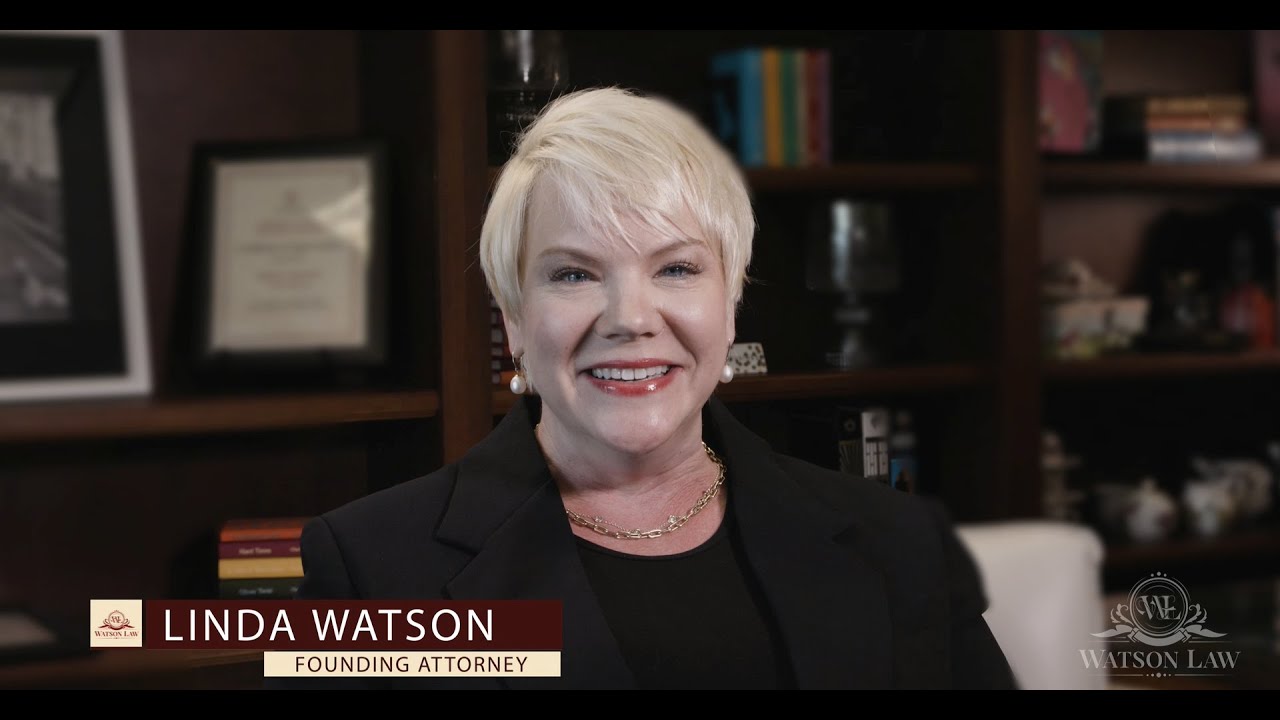
How long are
Family Law cases?
Family Law at Watson Law
Family Law Files & Documents?
Child Custody (Example)

Technology